Category: Seafood Recipes

  • Pancit Palabok

    Pancit Palabok

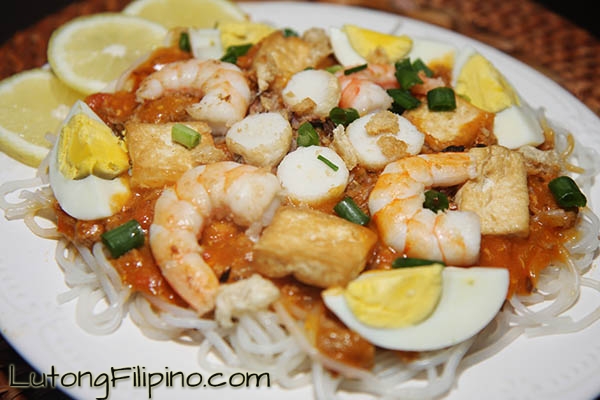
    Who doesn’t love a good noodle dish? Pancit, or noodles, can be found fresh in open air markets and various supermarkets. Local restaurants each have their own spin on various Filipino noodle dishes. Eateries with special emphasis on noodles are often called panciterias. Each panciteria will offer their own version of Pancit Palabok. This is a dish of Chinese origin with a distinct Filipino flavor. The ever present bihon, or rice noodles, covered with a thick shrimp sauce with garlic, onion, pork, annato (an orange peppery spice frequently found in southeast Asian cuisine), and fish sauce. It is left to thicken and then tossed with the noodles.

    In this dish, it’s all about the toppings. Common ones include cooked shrimp, tinapa (smoked fish) flakes, chicharon (pork rinds), hard boiled eggs, fried minced garlic, tofu, scallions (green onions), and lemon juice. Some chefs prefer calamansi juice, often called the Philippine lime or calamondin. Many of these items can be found in a local Asian market. These flavors are all traditionally Filipino – the brightness of the lemon pairs well with the saltiness of the chicharon and tinapa. The richness of the shrimp sauce cut by the green onion. There’s also a mix of textures – you get a lovely crunch from the tinapa and chicharon while the egg is soft and creamy. Southeast cuisine is all about using fresh ingredients and combining them in a way that highlights each flavor while creating cohesive contrasts. The end result? A delicious Pancit Palabok – a satisfying, quintessentially Filipino dish.

    [yumprint-recipe id=’29’]
  • Ginisang Munggo

    Ginisang Munggo

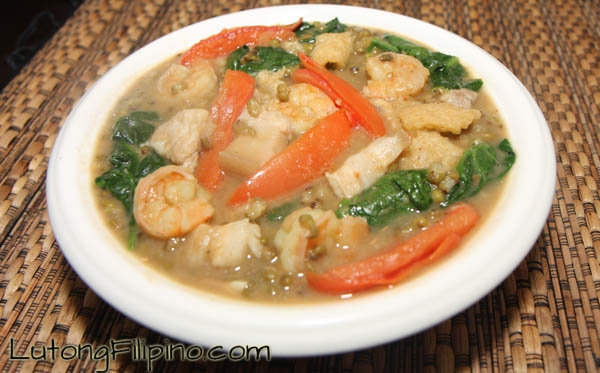
    Ginisang Munggo is one of Filipino favorites and it has been among the most common dish you can find in local restaurants or turo-turo. The plant munggo or mung bean (sometimes known as green bean) is native to Pakistan and India, which means it is original to Asia. When the plant reached the Philippines, it was then that it became the sensational ginisang munggo. But even though it is common, its taste can live you wanting for more.

    Apart from ginisang munggo, it can even be used as an ingredient in various desserts. Sautéed mung bean – as its other name – is one of the main dishes served during cold season.

    The mouthwatering taste it offers leave most Filipinos looking forward to the next time they would be able to eat the dish. It is served best with lukewarm rice and it compliments other ingredients as well.

    What’s great is that this dish is very satisfying despite being budget-friendly. The preparation of ginisang munggo is different in various locales as well as the ingredients used along with it. You can even prepare it in a vegan way by getting rid of any meat from the ingredients and use tofu in their place.

    Other times, malunggay or moringa is used as leafy vegetable ingredient considering how nutritious it is. It also offer thickness on the soup, which means you could always have the consistency you desired.

    Regardless of what ingredients you add and how you prepare the entire dish, its popularity among Filipinos is still the same. If you are going to try out a new Filipino dish, ginisang munggo is the right one to choose. It is common and easy but will surely make you feel like you’ve eaten the best.

    [yumprint-recipe id=’27’]

  • Sarciadong Galunggong

    Sarciadong Galunggong

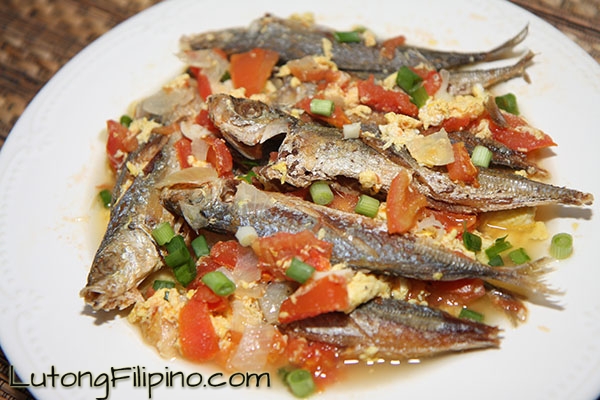
    Sarciadong galunggong is another one easy and simple Filipino dish that you can prepare and cook. It is interesting to note that it is a good way for you to re-cook any left-over fish – galunggong in this case – you may have from the previous meal. In fact, it will taste and look differently – like any brand-new cooked dish you can eat. Sarciadong galunggong is simmered in sauce that usually has various spices such as tomatoes and onions with the addition of beaten eggs. You can also add seasonings to the mixture to further augment the flavor and make it even tastier.

    With that said, sarciadong galunggong can be your left-over galunggong fish dish and no one needs to know otherwise of course if they are familiar with the recipe. Nonetheless, it gives the fish its unique taste and blend that you cannot otherwise attain.

    Basically, all you need is the fried galunggong (may be left over), sautéed tomato, garlic and onion then add the beaten egg on top and you are already done preparing.

    You can have other spices that you’d like to add according to your preferences but you should always remember to have the beaten egg added last and should not be stirred. Otherwise, the egg will break down and would appear not very appealing. Regardless of your preferred spices, the taste of sarciadong galunggong would suffice to give make you want for more.

    This dish is after all really appetizing and you might want to experiment on the fishes that you’d want to use. This time, however, you are introduced to galunggong as its main ingredient.

    [yumprint-recipe id=’25’]

  • Sinigang na Hipon

    Sinigang na Hipon

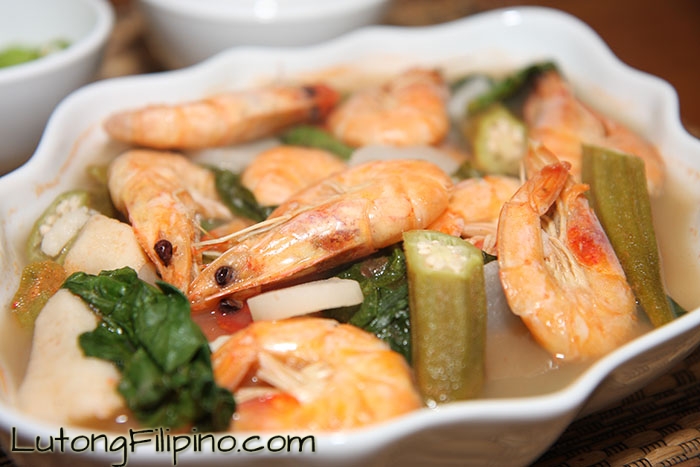
    When it comes to sinigang dishes, the list would not be complete without including sinigang na hipon. It is a sour soup created from the delectable mixture of shrimps, string beans, peppers, radishes and other ingredients deemed necessary to make this dish entirely and uniquely delicious. It is often seasoned with fish sauce but in many cases – it entirely depends on your preferences as the cook.

    Nonetheless, sinigang na hipon is one of the better alternatives when it comes to meat dishes during special occasions where pork meat is not allowed.

    Apart from being one of the famous dishes, it is common to have sinigang na hipon served on the table if the weather is not as friendly and is raining cats and dogs. It helps warm the body and keep the comfort inside your very own home.

    Preferences aside, fresh tamarind is traditionally used to give the dish its unique sour taste but today with the availability of sinigang recipe mix in the market this is only rarely used. You can even buy flavor mixes with gabi, sili and sampalok mixes. Still, nothing beats the taste of fresh tamarind. Flavor mixes may only be used in the absence of the traditional fresh flavoring.

    If you are the type who doesn’t mind to wait for a short while and you’d want to enjoy the rich sour taste of a soup then sinigang na hipon would be one of the best choices for you. However, you might want to be careful when boiling the shrimp because it softens easily. You might waste the entire preparation if you overcook them.

    [yumprint-recipe id=’19’]

  • Sinigang Na Bangus

    Sinigang Na Bangus

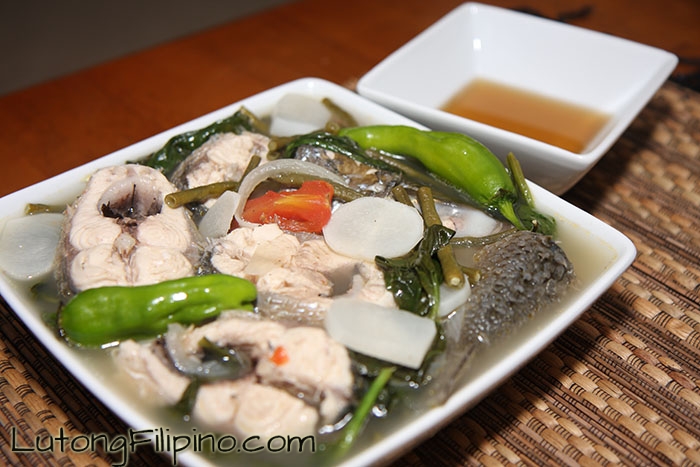
    Sinigang na bangus is one of the favorite dishes in the Philippines. The sour taste makes it even more appetizing and appealing even to people who have tasted it for the first time. It involves different types of ingredients including mustard greens, tomato and even long green peppers. It actually depends on your preferred taste and the available ingredients in your area. Sinigang na bangus is a type of sour soup and it utilizes different types of souring agent, which may include Kamias or bilimbi.

    The recipe is pretty straight and direct. Within 30 minutes, the soup is going to be ready to be served. It will only require boiling of all ingredients, which makes it easier for you to prepare the dish. Since it requires no sautéing, the soup will not be oily and is healthy once you think of it.

    Bangus is just one of the varied fishes that you can use in sinigang. There are other variety of fishes that you can use such as tilapia and other types that are deemed appropriate for the soup. The soup is also similar to sinigang na baboy (pork), hipon (shrimp) and beef; and the way it is cooked is also the same only this time that the bangus is added towards the end of boiling so that its fibers will not get mushy or too soft.

    So, if you are fond of Filipino dishes and you wanted a uniquely different taste then sinigang na bangus is one of the recommended dishes on your first few attempts at cooking or feasting on Filipino dishes.

    [yumprint-recipe id=’17’]

  • Guisadong Pusit

    Guisadong Pusit

    The Philippines is a country set close to the Pacific Ocean and is brimming full of islands and seas. With it, comes the advent of exotic and exciting Filipino seafood dishes. So if you happen to have an inclination for sea foods then this should be the right dish to start.

    It happened that among the various delectable seafood dishes out there, squid is one of the most popular seafood ingredients you can find at any Chinese cuisine or seafood restaurant.

    Among the myriad ways to cook this seafood delicacy is the simple, easy-to-cook yet delicious, the Sautéed Squid recipe or as the locals call it, the “Guisadong pusit”.

    “Guisadong pusit” is a recipe well known throughout the “baranggays” or communities. You can ask and expect the designated cook in any household of a “baranggay” to cook this recipe and you will not go disappointed. The dish is commonplace such as the likes of the adobo, ginisa, and other home-cooking recipes.

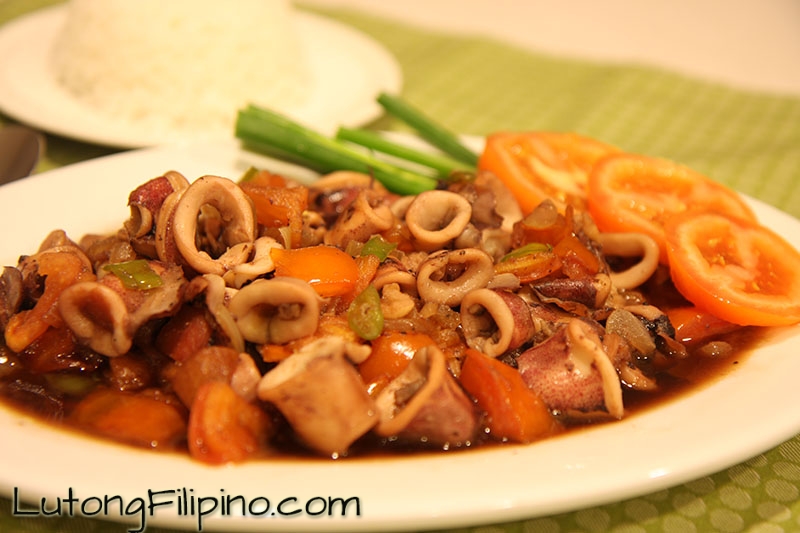
    The dish is usually cooked and presented with the squid cut into rings and prepared with crushed garlic, chopped onion, a spoonful of fish sauce or soy sauce, black pepper and sometimes, may even be served with chili pepper. Not only does the dish offer a delicious and exciting treat, it also is an excellent source of protein.

    It is important to note when you are cooking squid to not to overcook it as it not only toughens, but it would also lose its flavor and its texture as well. It is best served hot with steamed rice as a side dish.

    [yumprint-recipe id=’10’]