Author: LutongFilipino

  • Beef Kaldereta

    Beef Kaldereta

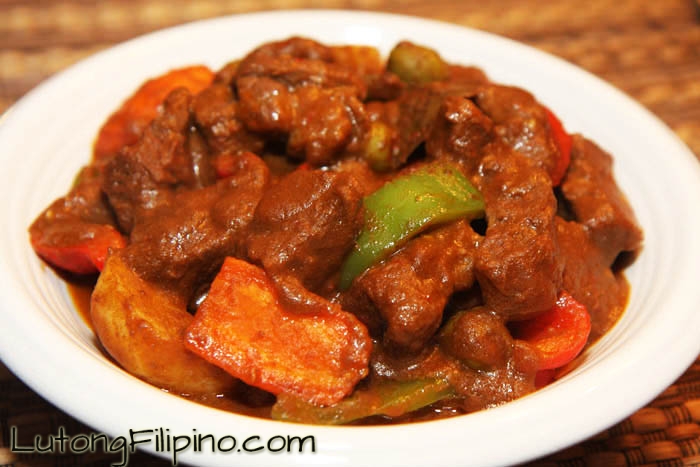
    Kaldereta or caldereta, is a Filipino delicacy of Spanish adaptation that derives its name from the Spanish word caldera, which translates to cauldron in English. The adoption of calderata in to the Filipino cuisine was as a result of the 300 year old Spanish rule of the Philippines. This dish is especially popular on the Island of Luzon and is served during parties, festivals and other such occasions and events. Originally, the dish was prepared using goat meat, tomato paste and liver spread, but as people got more creative in their cooking, the dish changed. Today, different cooks use different meats in the preparation of caldereta. Therefore Beef kaldereta is a type of caldereta where beef meat is used.

    Beef kaldereta is prepared by simmering pieces of beef until they are tender. Other common ingredients used in the preparation of this dish include tomatoes, liver, spices, olives, and bell peppers. This type of kaldereta is popular in the Philippines and is normally served as a main course. Preparing this dish can be challenging due to the toughness of the beef; however, it is possible to overcome the challenge by selecting the right beef pieces for stewing. These include sirloin, tenderloin, and eye of round as well as chuck roast. There are various methods of preparing kaldereta, with each home or region having its own method of preparation that is unique to it. Care and patience should be exercised when preparing this delicacy due to its somewhat complex preparation methods.

    [yumprint-recipe id=’34’]
  • Egg Pie

    Egg Pie

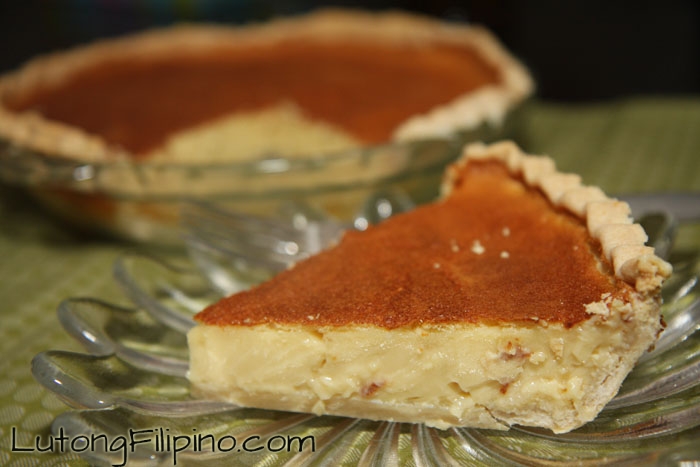
    Egg pie is a sweet indulgence from the roots of Philippines and is a classic favorite in the Filipino local markets. A crunchy buttery crust compliments the soft and smooth texture giving the taste buds full satisfaction. The pie has rich custard filling which when baked gives a nice brown color on the top making the pie irresistible in sight and the aroma attracts the thrill of the first bite.  The ingredient which makes a delicious classic Egg Pie involves different preparations for the crust and the filling.

    To make a flaky light golden brown crust, plain flour along with salt, unsalted butter and cold water at the right quantity would give a consistent crispiness. Obviously, being an Egg Pie, Egg is the main ingredient and comes in play in forming a perfect filling. Evaporated Milk is used to give a right sweetness to the pie balancing with the bind of egg yolks, egg white and a whole egg for the ideal lightness to the filling. To give an extra oomph, a scent of vanilla finishes the heavenly flavor to the pie. After having some bold fusion flavors of the Filipino cuisine, the Egg Pie would be a wonderful finish to the meal. The perfect combination of its silky and crusty texture gives a comforting and mellow tone.

    [yumprint-recipe id=’35’]

  • Pan de Coco

    Pan de Coco

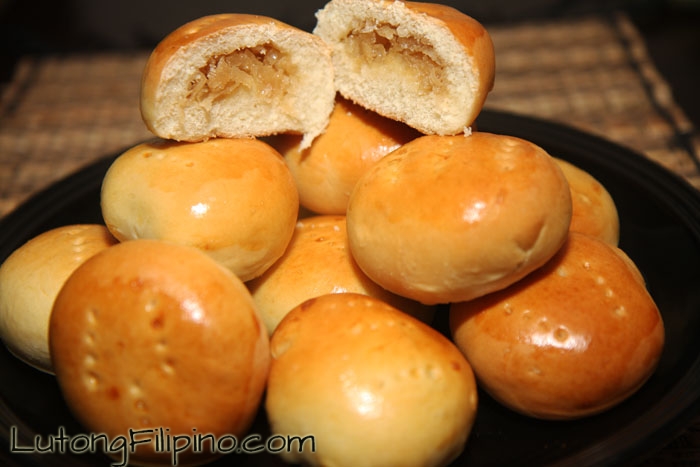
    Pan de Coco or simply coconut bread is a slightly sweet, coconut enriched buns complimenting various meals. Originally from Spain, the rich buns are now the oldest running breads in the Filipino bakery platter. The coconut buns are found all over the bakeries in Philippines and have become an absolute favorite. These soft buns are a must have with the morning milk, teas or coffees but also are served with Caribbean themed meals comprising of beans, rice or even fresh fish. Thus, Pan de Coco fulfils the needs of a snack as well as a desert. The buns are soft sweet rolls from the outside and have a blissful coconut filling form the inside. 

    The buns are fluffy and light in surface due to its precise dough preparation consisting of flour, warm milk and water, instant yeast, eggs along with a good balance of sugar and butter. If not carefully timed and watched, these buns might get under or overcooked due to its runny dough. While the dough rests before bake, a mouth-watering filling can be processed this includes coconut flakes, brown sugar preferably and butter. Each piece of bun is constant in its look and flavor. Now, the buns can be cooked traditionally or with help of a mixer. A slight sprinkle of butter or egg wash on the top of the buns will give a shine and beautiful light brown color soothing to the eyes.

    [yumprint-recipe id=’36’]

  • Yema Cake

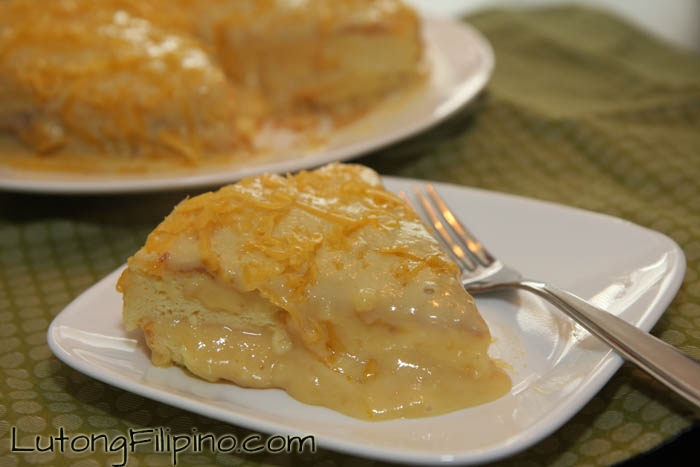
    Yema Cake

    [yumprint-recipe id=’33’]

  • Spanish Bread

    Spanish Bread

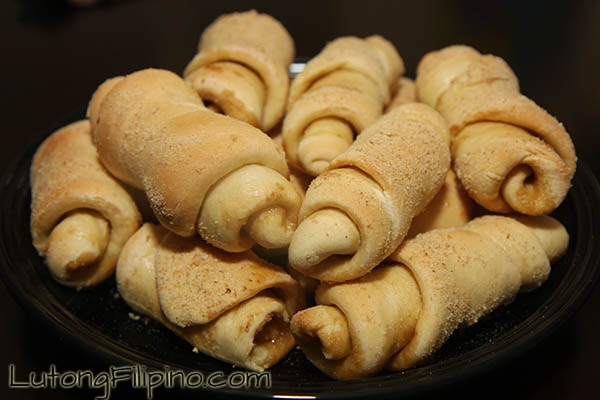
    In the Philippines, the type of bread known as Spanish bread, which is a moist and soft bread filled with margarine and sugar, is one such dish as it has nothing to do with the Spanish cuisine. The bread is a Filipino breakfast staple food whose making is similar to that of cinnamon and is just as popular as ensyamada, Pan De Coco and Pandesal. Apart from breakfasts, the bread is also popular during tea time or marienda and is normally served accompanied by milk or tea. Being a popular breakfast and tea time delicacy, this bread can be got from any bakery in the Philippines.

    Brown sugar, eggs, margarine, breadcrumbs, milk and water are some of the common ingredients used in the making of the bread. The dough is first flattened then the fillings applied on the surface of the dough. The dough is then rolled. The resulting stout like stick has a close resemblance to the Mexican bigote, which is essentially moustache shaped dough. The rolled dough is then baked to yield the sweet tasting Spanish bread. The bread comes in a variety of colors from white to yellow as well as types. However, the procedure for making the bread is the same regardless of the type. This sweet tasting bread is the ideal accompaniment to any drink from coffee, milk to soft drinks such as soda. The sweet taste of the bread also means that it does not require any kind of spreads.

    [yumprint-recipe id=’32’]

  • Pancit Palabok

    Pancit Palabok

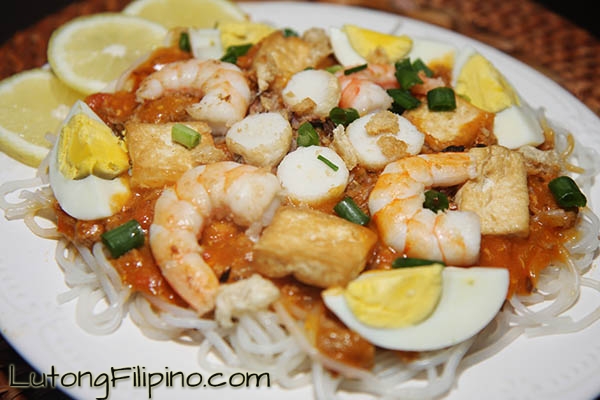
    Who doesn’t love a good noodle dish? Pancit, or noodles, can be found fresh in open air markets and various supermarkets. Local restaurants each have their own spin on various Filipino noodle dishes. Eateries with special emphasis on noodles are often called panciterias. Each panciteria will offer their own version of Pancit Palabok. This is a dish of Chinese origin with a distinct Filipino flavor. The ever present bihon, or rice noodles, covered with a thick shrimp sauce with garlic, onion, pork, annato (an orange peppery spice frequently found in southeast Asian cuisine), and fish sauce. It is left to thicken and then tossed with the noodles.

    In this dish, it’s all about the toppings. Common ones include cooked shrimp, tinapa (smoked fish) flakes, chicharon (pork rinds), hard boiled eggs, fried minced garlic, tofu, scallions (green onions), and lemon juice. Some chefs prefer calamansi juice, often called the Philippine lime or calamondin. Many of these items can be found in a local Asian market. These flavors are all traditionally Filipino – the brightness of the lemon pairs well with the saltiness of the chicharon and tinapa. The richness of the shrimp sauce cut by the green onion. There’s also a mix of textures – you get a lovely crunch from the tinapa and chicharon while the egg is soft and creamy. Southeast cuisine is all about using fresh ingredients and combining them in a way that highlights each flavor while creating cohesive contrasts. The end result? A delicious Pancit Palabok – a satisfying, quintessentially Filipino dish.

    [yumprint-recipe id=’29’]

  • Pork Sisig

    Pork Sisig

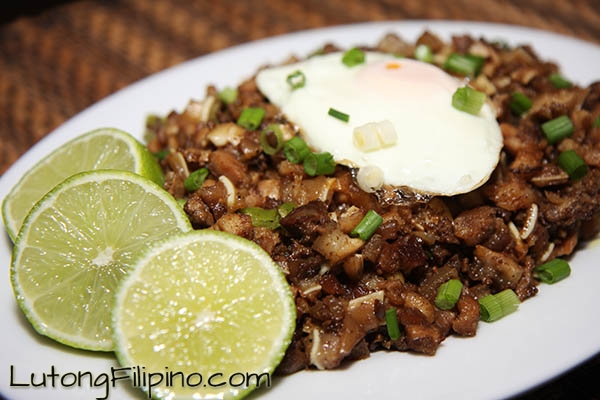
    Sisig translates to “snack on something sour” in Kapampangan. The dish originates from locals who bought pig heads from agents of the Clark Air Base. Pig heads weren’t used to prepare food for the Air Force personnel stationed there. The late Lucinda Cunanan is famously referred to as Aling Lucing-the Sisig Queen for pioneering the dish. Today, Pampanga is championed as being the culinary capital of the Philippines.
    Pork Sisig is now a renowned dish served all over the world. Hundreds of variations have turned the dish into a household favorite. Pork sisig was usually served as an appetizer or a snack before meals. A few more ingredients and you have a full course meal. Add a tortilla or a crunchy shell and you have sisig tacos.

    The process of cooking and preparing sisig takes some time. Furthermore, the history behind sisig and what represents it to Filipino culture is beautifully symbolized on the plate. The time is worth it! A healthier rendition is seafood oriented. Instead of the pork head, a medley of mussels, tuna, milkfish and squid with mayonnaise can be served. Oxbrains, chicken, and tofu are frequently used too. Tofu is an excellent substitute for a vegetarian adaption.

    Pork sisig is popular in bars and restaurants across the Philippines. Many claim that it tastes excellent with a cold beer. Another companion of the savory dish is steamed white rice. Apparently, this not only brightens up the dish, but the flavors are concentrated. The crispy pork skin sizzling with the tender marinated, meat gives off a tangy taste and vivid aroma.

    [yumprint-recipe id=’30’]

  • Pandesal

    Pandesal

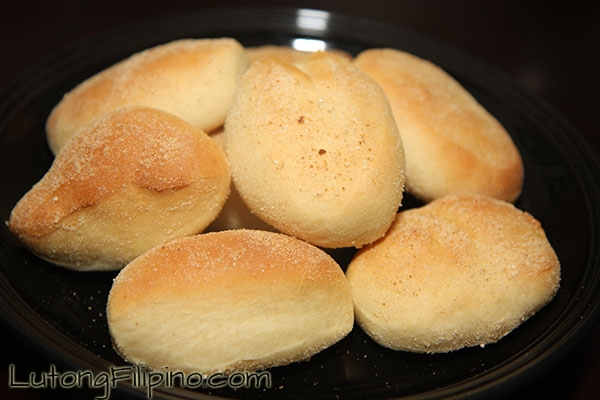
    Every cuisine has its culture’s take on the classic bread roll. Mexican cuisine has bolillos, Puerto Rico has pan de agua, China has bao zi. In Filipino cuisine, it’s a soft and pillowy roll from Spanish-Era Philippines. Pandesal (from the Spanish pan de sal, “salt bread”) is a yeast-based bread commonly used in Filipino cuisine. It originated in the 1700’s during the Spanish colonization of the country. Today, it is a popular as a breakfast food, a snack, or accompaniment to any dish. Almost all bakeries and bake shops in the Philippines sell this iconic bread. It’s so popular; most neighborhood bakeries sell out before 8 or 9 in the morning. It’s common for bakeries to bake it both the morning and the afternoon to meet the demand.

    Oftentimes, rolling stores (on the backs of bicycles or motorcycles) will sell pandesal. Traditionally, it is made with milk, butter, sugar, salt, eggs, and flour. It is kneaded into a soft, springy consistency and then left to rise. Once risen, it is kneaded again then rolled into a log. This log is then cut into pieces and each piece is rolled in breadcrumbs before baking. Contrary to its name, the resulting bread roll is relatively sweet tasting. Pandesal can be enjoyed as a simple breakfast bread (with butter, jam, jelly, or any variety of other spreads), or used in place of any traditional bun (in a sandwich, etc.) Pandesal also freezes very well – they can be stored for up to a month in a freezer bag. 

    [yumprint-recipe id=’28’]

  • Chicken Macaroni Soup (Sopas)

    Chicken Macaroni Soup (Sopas)

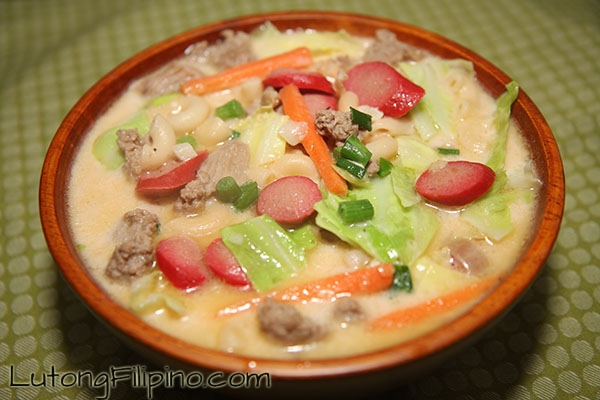
    Sopas is a term for “soup”. The yummy dish is a richer alternative to the American chicken noodle soup. The difference is how sopas uses milk to enrichen the flavor of the broth. Additionally, the bone of the chicken is left intact to give the sopas a bolder flavor. In culinary tradition, the bone of the meat maximizes the flavor. Sopas is a Filipino family favorite during the rainy season. Many families have their own twists that they pass down from generation to generation. You’re not just tasting Filipino cuisine, you are tasting how each family added their own personality to the dish. The nutrients in the dish help fight off colds and it’s very filling.

    Mirepoix is a flavoring made of chopped celery, onions, and carrots. As a base, it can be used with a broth with butter or olive oil. However, you can add spices, potatoes, rice, and beans to the soup. Elbow macaroni with a hard boiled egg on the side gives the dish color. If you don’t want chicken sopas, you can replace it with chicken liver, cut up hot dogs, pork, and even luncheon meats.

    There are no limits to how this dish can be prepared for your family. Preparation is pretty simple and easy. The best thing about Filipino cuisine is how the meals are simple and low budget, yet you are getting the best meal in a short amount of cooking time. Feel free to bring it to work in a canister and reheat it, or you can even create this dish while camping.

    [yumprint-recipe id=’31’]

  • Ginisang Munggo

    Ginisang Munggo

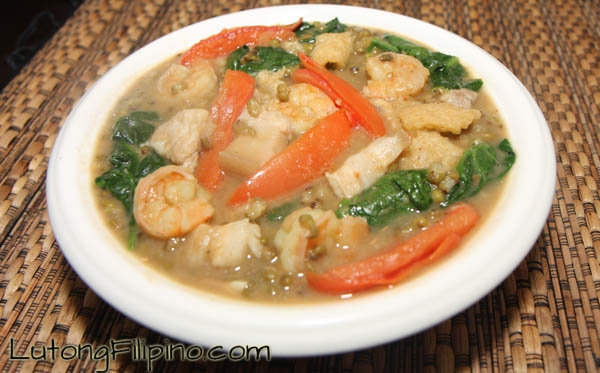
    Ginisang Munggo is one of Filipino favorites and it has been among the most common dish you can find in local restaurants or turo-turo. The plant munggo or mung bean (sometimes known as green bean) is native to Pakistan and India, which means it is original to Asia. When the plant reached the Philippines, it was then that it became the sensational ginisang munggo. But even though it is common, its taste can live you wanting for more.

    Apart from ginisang munggo, it can even be used as an ingredient in various desserts. Sautéed mung bean – as its other name – is one of the main dishes served during cold season.

    The mouthwatering taste it offers leave most Filipinos looking forward to the next time they would be able to eat the dish. It is served best with lukewarm rice and it compliments other ingredients as well.

    What’s great is that this dish is very satisfying despite being budget-friendly. The preparation of ginisang munggo is different in various locales as well as the ingredients used along with it. You can even prepare it in a vegan way by getting rid of any meat from the ingredients and use tofu in their place.

    Other times, malunggay or moringa is used as leafy vegetable ingredient considering how nutritious it is. It also offer thickness on the soup, which means you could always have the consistency you desired.

    Regardless of what ingredients you add and how you prepare the entire dish, its popularity among Filipinos is still the same. If you are going to try out a new Filipino dish, ginisang munggo is the right one to choose. It is common and easy but will surely make you feel like you’ve eaten the best.

    [yumprint-recipe id=’27’]