Month: November 2014

  • Mamon (Filipino Sponge Cake)

    Mamon (Filipino Sponge Cake)

    Philippine cuisine would not be complete without the bread and pastries category. Among the sundry of delectable treats out there, Mamon is considered as one of the popular pastries in the country.

    Mamon is a chiffon-type or sponge cake. Its name actually has its roots from a Spanish term meaning breast. It is also called the Filipino yellow sponge cake.

    It is soft, light, usually has a very thin light brown upper crust and with a smooth yellow inner part. It is usually served and packaged, individually, as big as cupcakes or, sometimes, as muffins. It is baked in small molds and are good for just one person per serving. It is famous among the Filipinos for its softness and its distinct creamy taste.

    It can be available as just plain classic, sprinkled with sugar, or with cheese on top. It can come with its own flavor, such as vanilla, chocolate or strawberry. It can also be dished up with fillings or toppings creatively catered by the baker. If it is served with toppings then it is referred to as “Mamon espesyal”, which stands for special Mamon. There are also other variants for this treat such as the “mamoncillo”, and “mamon tostada”, each having their own different style, texture and taste.

    Oftentimes, this lovely little treat can be found at a motley of compact bakeshops sprawling over the country’s “barrios” or small villages besides the more commonly known bakeries. It is a treat that can be easily become a favorite for bread and cake lovers alike.

    [yumprint-recipe id=’9′]
  • Adobo Sa Gata

    Adobo Sa Gata

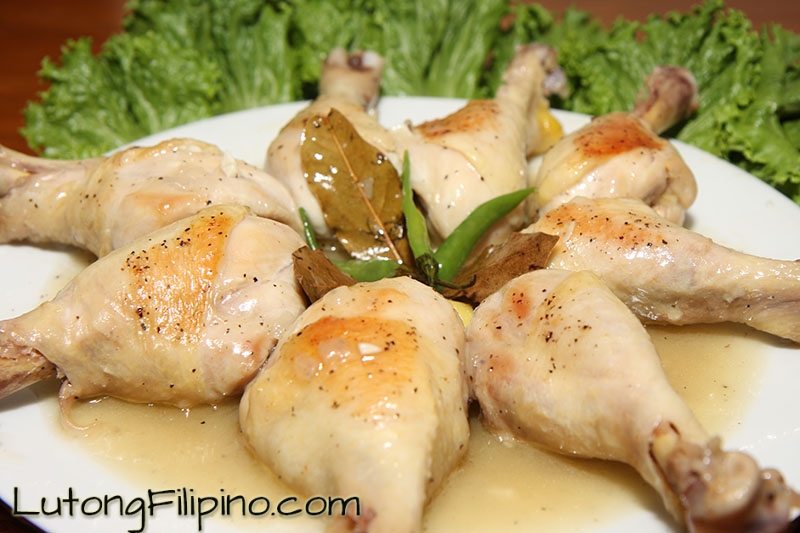
    Adobo sa Gata is one of the Filipino dishes that had many going. If you plan on eating something rich and creamy for lunch or on special occasions then this recipe is definitely for you. It has spices and of course coconut milk that give this dish rich and creamy taste apart from the fact that the ingredients mentioned are famous in the region of Bicol. The Bicolano touch is indeed tasty and make this dish extremely palatable.

    The traditional adobo dish in the Philippines is just tweaked so that it will have a unique taste. If you want it to have a fuller and greatly satisfying taste, you can use native chicken as its primary ingredient in addition to the spices, chilies and gata (coconut milk).

    Adobo sa gata is one of the best dishes ever created and despite of being just the tweak of the original adobo recipe – this dish has been passed down throughout generations and has earned its right as an all-time favorite food not only when celebrating feasts or special occasions but even during ordinary family days. Depending on your preferences, you can use a variety of chilies and spices such as jalapeno, siling labuyo (bird’s eye chili), habanero or serrano to give it a spicy taste.

    Being a traditional dish among Filipinos, different regions would use a variety of ingredients to make it taste better or perhaps more unique. But regardless of what spices you will add, you cannot discount the fact that its preparation is relatively easy even for an inexperienced adobo cook.

    [yumprint-recipe id=’5′]

  • Chicken Tinola

    Chicken Tinola

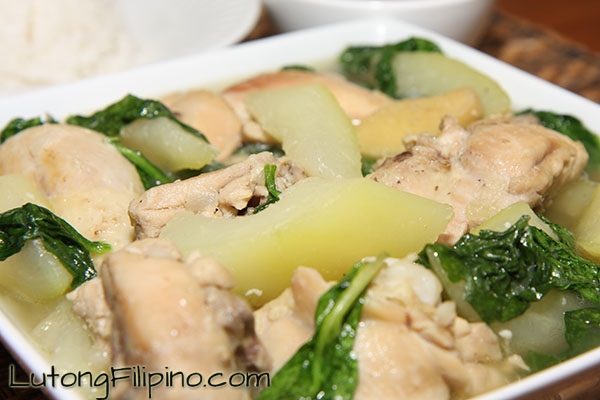
    Are you feeling ill or down in the dumps? Looking for the good old chicken noodle soup to revitalize your body? Well, the Philippines has its own version of chicken soup, known to all Filipino as Tinolang Manok. It is a famous Filipino comfort food that is simple to prepare, soothing and delicious.

    Tinolang Manok or simply called “Tinola” in Tagalog and Cebuano is a chicken ginger stew soup mixed with “siling labuyo” (chili pepper leaves) and green or unripe papaya. It is also called “nilayaan” or “la uya” in Ilocano, which literally means “ginger.” The ginger and the chili pepper leaves make for its distinct flavor.

    Customarily, the dish is prepared by sautéing the garlic, ginger and onion, followed by the “manok” (chicken) and then flavored with fish sauce. It is recommended to cook the mixture about 4-5 minutes to allow all the flavor of the ginger, fish sauce and chicken to blend well. Chicken broth is added and finished by adding chili pepper leaves and green papaya. “Native” or free range chickens are the best chicken to use and the green papaya facilitates in tenderizing the meat of the native chicken. This dish can be an appetizer or the main entree and best paired with rice.

    Other common variants of the dish makes use of the chayote squash as a substitute for the unripe papaya; instead of using the chili pepper leaves, others may use malunggay (moringa) leaves or spinach, especially when living abroad; and to an extreme case, others use seafood or pork instead of using chicken.

    Truly, Tinolang Manok has made its place in many Filipino household as one of its well-loved dishes.

    [yumprint-recipe id=’7′]

  • Sinigang Na Bangus

    Sinigang Na Bangus

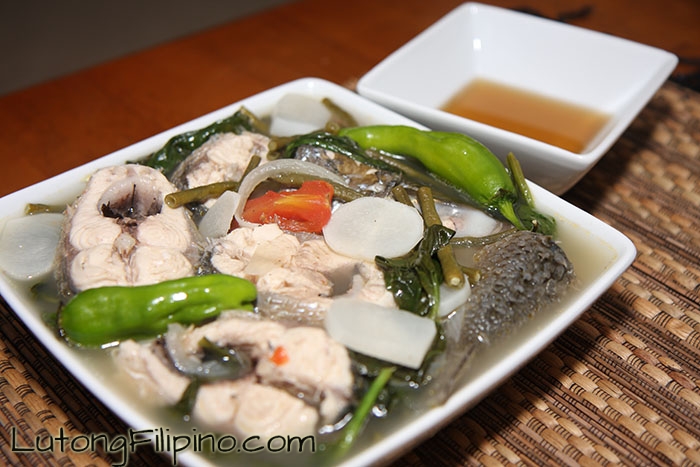
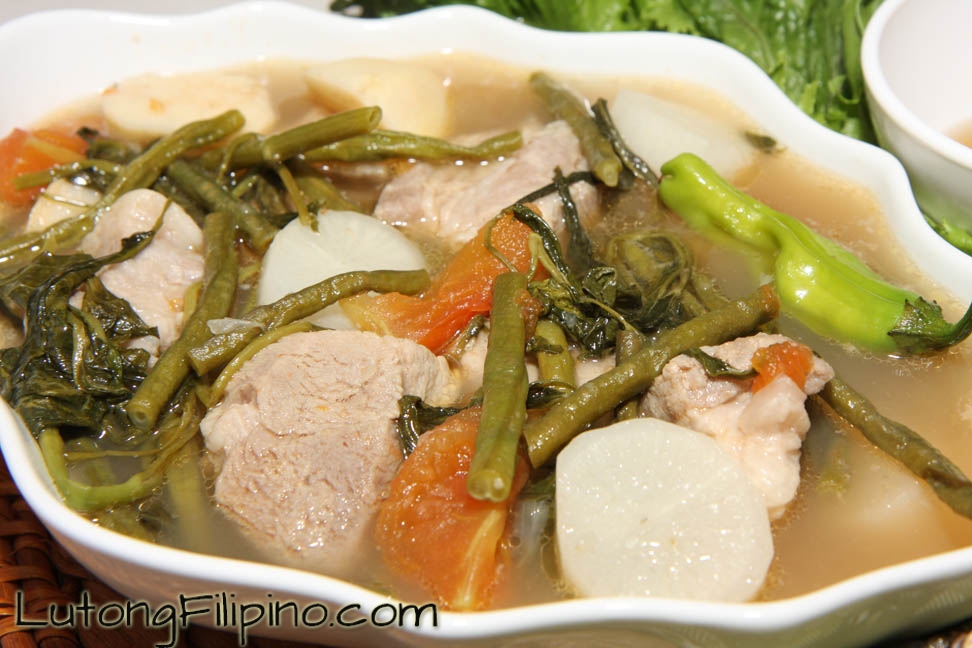
    Sinigang na bangus is one of the favorite dishes in the Philippines. The sour taste makes it even more appetizing and appealing even to people who have tasted it for the first time. It involves different types of ingredients including mustard greens, tomato and even long green peppers. It actually depends on your preferred taste and the available ingredients in your area. Sinigang na bangus is a type of sour soup and it utilizes different types of souring agent, which may include Kamias or bilimbi.

    The recipe is pretty straight and direct. Within 30 minutes, the soup is going to be ready to be served. It will only require boiling of all ingredients, which makes it easier for you to prepare the dish. Since it requires no sautéing, the soup will not be oily and is healthy once you think of it.

    Bangus is just one of the varied fishes that you can use in sinigang. There are other variety of fishes that you can use such as tilapia and other types that are deemed appropriate for the soup. The soup is also similar to sinigang na baboy (pork), hipon (shrimp) and beef; and the way it is cooked is also the same only this time that the bangus is added towards the end of boiling so that its fibers will not get mushy or too soft.

    So, if you are fond of Filipino dishes and you wanted a uniquely different taste then sinigang na bangus is one of the recommended dishes on your first few attempts at cooking or feasting on Filipino dishes.

    [yumprint-recipe id=’17’]

  • Menudo

    Menudo

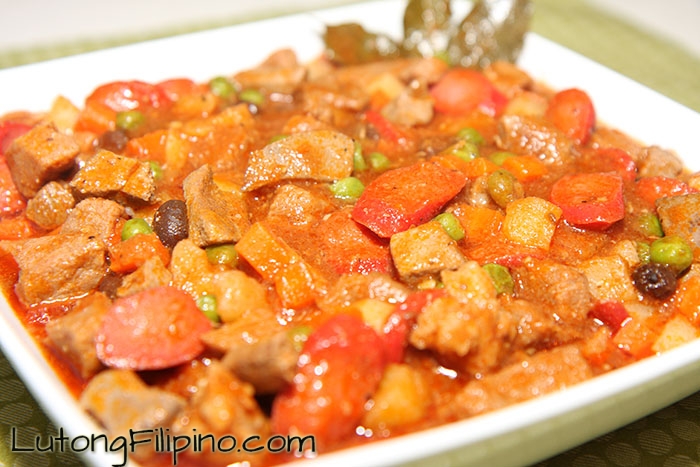
    If you are looking for Filipino comfort food then Menudo should be on top of your list. There are a lot of people in the Philippines who cannot last a month without preparing and cooking the dish at least once. Sounds familiar? Cook one now!

    Nonetheless, the dish is pretty easy to prepare and cook despite the absence of experience. There are still others who would get addicted to the dish, which would likely become their obsession. The dish is often served during special occasions such as fiestas and rare gatherings of family and friends. However, there is no need for you to wait for a special occasion or feast in order to prepare and cook one.

    The process is simple and the ingredients are relatively easy to acquire. There are also different variations of this dish but we will be focusing on pork menudo this time. The different variations are just proof that this is one of the favorite dishes. Other menudo recipes would include hotdogs, peas, dried raisins and some others depending on your preferences.

    One great advantage of menudo is that you can try out other ingredients along with its primary ingredients. In most cases, this is regional – where other locations would have different ideas when it comes to ingredients. However, different variations do not mean one is better or one would taste totally different from the other. It just represents the preferred taste in one province.

    Menudo has the same name with the Mexican dish – only it is not prepared with tripe but instead with liver and pork slices.

    [yumprint-recipe id=’15’]

  • Pork Adobo

    Pork Adobo

    When it comes to cooking and food in the Philippines, the Filipinos are well-known for a signature recipe that permeates through every household and barrios in the whole country. This recipe involves two words: Pork and Adobo.

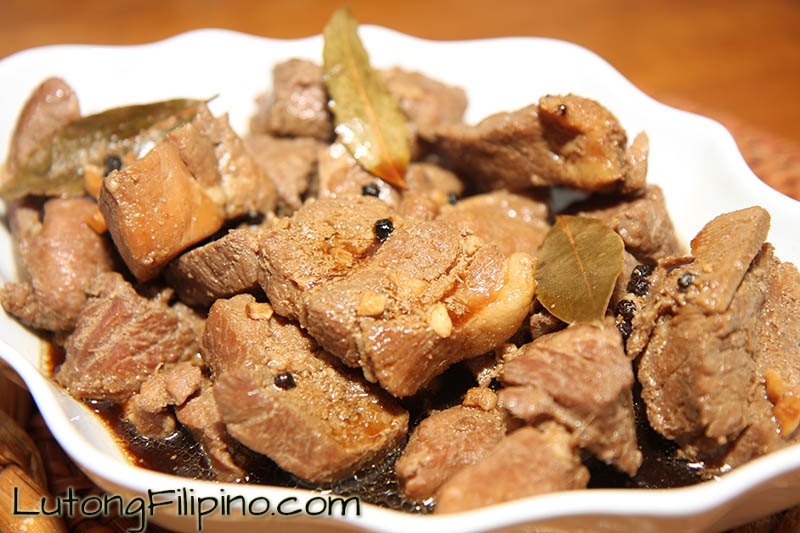
    Pork Adobo, or as the locals call it “Adobong Baboy”, is an all-time favorite Filipino dish that is cherished, beloved and can be enjoyed by anyone. The word “Adobo” is a Spanish word which signifies a special type of cooking. It basically involves the meat being marinated in herbs or spices and then stewed. The Filipino Adobo is different from its Spanish counterpart in that the Spanish Adobo involves paprika, oregano, salt, garlic, and vinegar.

    The dish is usually cooked and prepared with the meat (pork) marinated in soy sauce, garlic and vinegar. It is then boiled or browned in oil and then simmered in its marinade. You can have variations in your cooking as you can put or add ingredients such as bay leaves, peppercorns, and other seasonings of your choice.

    The fun thing about the dish is that you don’t have to be exact and specific for the recipe to be perfect. As long as you have the basic ingredients and the right method of cooking, you can create your own customized and style of adobo that fits your taste. It is best served hot with steamed rice.

    The Filipino pork adobo is a dish enjoyed by foreigners and locals alike as one of their favorite Filipino common household dishes and the locals pride it as a dish unique to the Philippine culture.

    [yumprint-recipe id=’13’]

  • Pork Sinigang

    Pork Sinigang

    Pork Sinigang is a native cuisine in the Philippines – particularly known for its sour taste. If you want to taste one famous cuisine among locals then this must be one of the first cuisines you must try. 

    Traditionally, sinigang is tamarind-based but calamansi, unripe mango, guava and bilimbi may also be used as souring agent. There are also seasoning powder available in the market that may be used as an alternative if natural sources prove to be challenging to find but if you already have the natural sources on your backyard be our guest!

    If pork is to be used, the main parts included in the soup are pork neck bones, spare ribs, pork belly and even baby back ribs. The bony parts of the pig are usually preferred by many when cooking this dish.

    The meat is usually stewed along with spices such as onions and tomatoes as well as its souring agent – tamarind for example. However, other ingredients may also be added to further enhance the taste such as okra, gabi, kangkong, eggplant, sitaw and labanos. These ingredients are often added to create another version of the traditional sinigang.


    [yumprint-recipe id=’2′]

  • Lumpia

    Lumpia

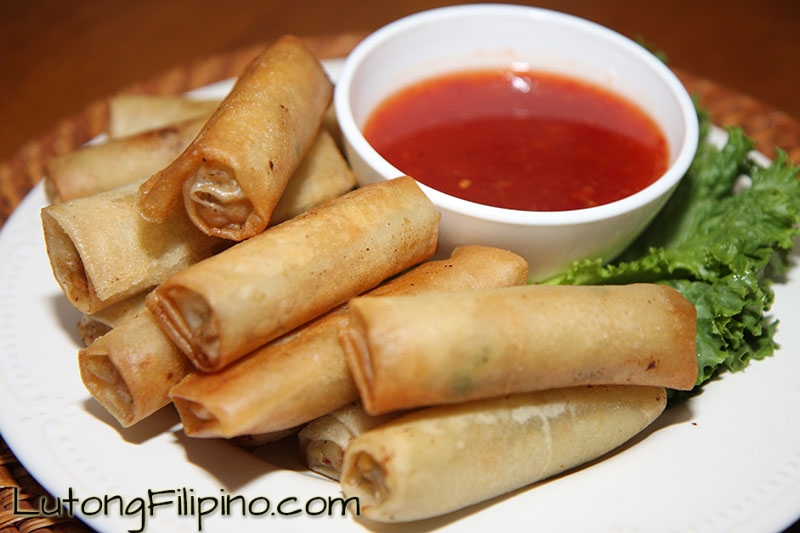
    Lumpia is one of the dishes in the Philippines – rich in historical background. It is almost similar to the fried spring rolls in Southeast Asia and is named according to the Chinese term “lunpia,” which is another term for popiah – the popular spring roll.

    The dish can either be fresh or fried. In the Philippines, the fresh lumpia is more of a snack while the fried lumpiang shanghai is best served with rice or as a viand. The dish settled both in Indonesia and Philippines after being brought from China.

    This meat-laden dish in the Philippines has a filling complete of ground pork or beef, carrots, potato, minced onion and other spices along with beaten egg. Some Filipinos use green peas or raisins in addition to the standard ingredients. It is commonly served with its unique sweet and sour sauce, which add flavor to the – already delicious dish. Nonetheless, dipping it on ketchup would be enough to make you crave for more.

    This dish is popularly served in special gatherings like fiestas and celebrations in the same way that Pancit Canton is served during these occasions. A celebration without lumpiang shanghai would be incomplete in the same way that your visit in the Philippines or learning how to cook Filipino dishes would be incomplete without it.

    So, if you are looking for a food that is not too heavy on the stomach but delicious nonetheless, lumpiang shanghai can give you that flavor and spice you’ve always wanted and desired.

    [yumprint-recipe id=’11’]